.JPG)
In Conversation With Steve Farrar… Sales Manager At Shev Chair
- How can hotel seating be specified to withstand the demands of high traffic restaurants and guest areas while maintaining its appearance over time?
The first consideration should always be the actual use of the chair. After all, people sit in chairs; they don’t simply admire them. A chair can be beautifully designed, but it’s true quality is revealed through the experience of using it, day after day.
The core must be sturdy, the construction dependable, and the materials resilient enough to withstand the environment they’re placed in. But equally important is being thoughtful about where and how those materials are used.
For example, we will often encourage clients to consider vinyl upholstery on the seat, where the greatest wear occurs, while maintaining a softer, more decorative fabric on the back. In particularly demanding environments, we may recommend extending the vinyl to the inner back, reserving the fabric for the outer back. This allows us to preserve the designer’s aesthetic vision while making practical decisions about durability and maintenance.
Good specification isn’t necessarily about choosing the toughest material available. It’s about understanding the demands of each part of the chair and selecting materials accordingly. When done thoughtfully, performance and beauty needn’t compete; they can work together.
- What should hotel designers consider when selecting upholstery and frame finishes to ensure seating complements the wider interior scheme?
Balance is everything. A chair has a unique relationship with the space it occupies. It grounds a room, establishes scale and introduces an entirely different perspective from which the interior is experienced.
A chair is something we look at, but it also determines what we look at, and how we experience our surroundings.
A well-considered chair can quietly blend into its environment, enhance the textures and finishes around it, or become the very accent that brings a room to life. A contrasting upholstery, an unexpected finish or a carefully considered silhouette can completely change the visual rhythm of a space. Equally, a poorly chosen chair can disrupt even the most beautifully designed interior.
When selecting upholstery and frame finishes, we encourage designers to consider the entire composition. How do the finishes relate to the architectural elements? Does the upholstery complement the surrounding palette, or is it intended to provide contrast? How does the chair look from across the room, and how does it feel when someone is seated within it?
There is no singular formula. Sometimes the most successful chair is the one that goes almost unnoticed; other times, it’s the one that gives the entire room its character. The artistry lies in knowing which role the chair should play.
- How can stackable seating help hotels make better use of restaurant and event spaces, particularly when layouts need to change throughout the day?
Versatility and ease of use are fundamental to a well-functioning hospitality space.
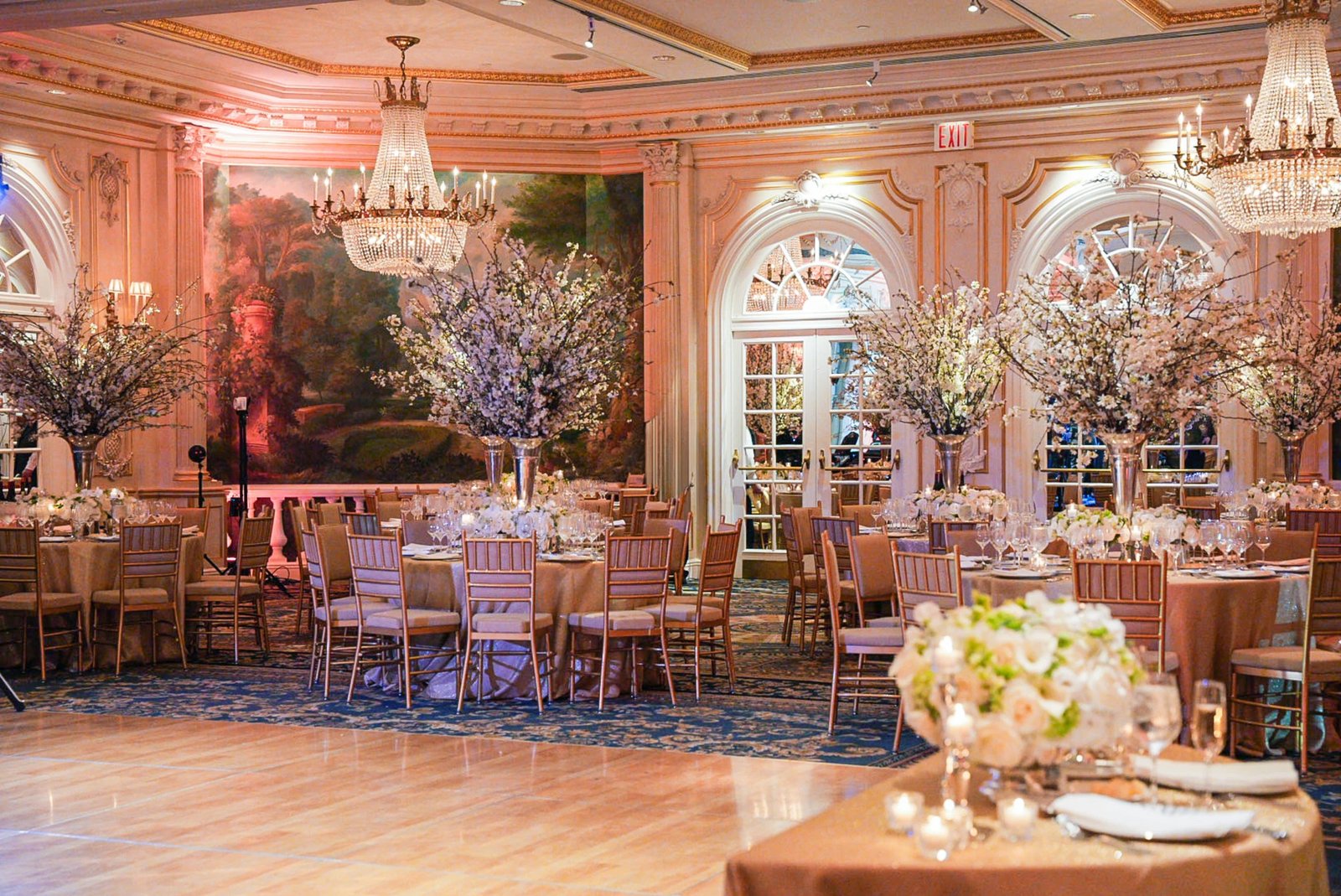
A hotel restaurant, ballroom or event space is, in many ways, a shell waiting to become an occasion. The same room may host an intimate celebration, a corporate gathering or a milestone that becomes a cherished memory. With each occasion, the room takes on a different identity, and the furnishings must be able to accommodate that transformation.
Behind these experiences is a hospitality team working to make each transition appear effortless. The reality, of course, is that turnover between events can be incredibly demanding, often with very limited time to completely reconfigure a space.
This is where well-designed stackable seating becomes invaluable. It isn’t simply a question of whether a chair can be stacked, but how intuitively it can be handled, how comfortably it can be moved, and how efficiently it can be transported and stored.
Weight, balance, grip and stacking design all contribute to that experience. When these considerations are properly addressed, hotel teams gain the flexibility to transform spaces quickly and confidently, without sacrificing the visual quality of the furnishings.
Ultimately, the best operational design is often invisible to the guest. They simply arrive to find a space that feels perfectly prepared for their occasion.
- How can bespoke seating options help hotels create a more distinctive look across dining areas, lounges and other guest spaces?
A chair can be something nobody notices, or something everybody notices, for better or worse. What is often underestimated is just how much seating can contribute to a property’s identity and the lasting impression it leaves on its guests.
Consider the moment someone takes their seat. They are no longer arriving or departing. They are present, experiencing the space as it was intended to be experienced. In that moment, the chair becomes one of their most direct connections to the environment around them.
We often think about this in terms of two impressions: the aesthetic of the chair is the first impression; its comfort is the lasting impression. Both are equally important, and the relationship between them should inform the design from the very beginning.
Bespoke seating gives us the opportunity to consider that relationship with greater intention. Rather than selecting a chair simply because it fits the space, we can ask more meaningful questions. What should a guest feel when they first see it? How should they feel after spending an evening seated in it? Does it belong to the architecture? Does it reflect the purpose and personality of the room?
These questions can lead to subtle refinements in proportion, upholstery, finish or detailing, or to an entirely distinctive design. Even within a single hotel, the answer may differ between a lively restaurant, an intimate lounge and a formal dining room.
For us, bespoke design is not about customization for its own sake. It is about creating seating that feels purposeful, cohesive and unmistakably connected to the space it inhabits.
The most successful chair doesn’t merely occupy a room. It becomes part of how that room is remembered.
(Product Image: Milan Stack Chair Featured in The Marriot Essex House – New York, NY.)