In Conversation With Javiera Araya… Project Manager At Brightech
1. With smart technology becoming
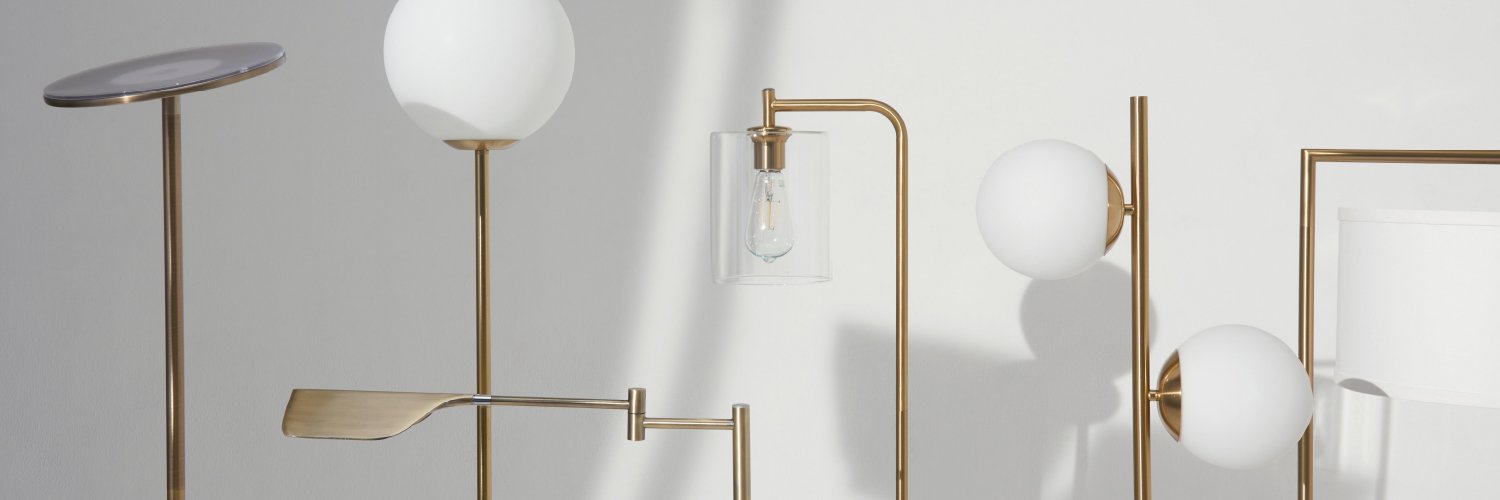
Lighting is becoming one of the most useful touchpoints in a hotel room. It used to be a fixed part of the build, but now it’s where a lot of the small conveniences guests expect quietly live. We build features right into our fixtures: wireless charging pads on the base, and we’ve adapted our USB ports to offer USB-C alongside the older standard, so a lamp does double duty as the spot where a guest sets down and powers their devices. Haptic controls are part of that shift too, giving a tactile, considered feel instead of a hard click. And we don’t overlook the basics that still matter most day to day, like adjustable shades that let a guest direct light exactly where they want it. The evolution is really about lighting doing more for the guest without asking them to think about it.
2. What are some of the key considerations for hoteliers when selecting lighting for guest rooms and shared spaces?
The first is layering. A room needs ambient light for the overall space, task light for reading and working, and accent light to give it character. Getting that balance right does more for a room than any single statement fixture. Second is color temperature and consistency: warmer tones in guest rooms help people wind down, while shared spaces can carry slightly cooler, more energetic light, and it should feel cohesive from one area to the next. Third is control that guests actually understand, including practical touches like adjustable shades to direct light and intuitive, tactile controls, because beautiful lighting fails if the switch layout confuses people at midnight. Then there’s the added value guests notice immediately, like built-in wireless charging pads and USB-C ports that turn a bedside lamp into the place they charge their devices. Finally, durability and serviceability matter more in hospitality than almost anywhere else, since fixtures get heavy daily use and need to stay looking new.
3. As hotels look to create more personalised environments, how can lighting help shape the atmosphere and experience of a space?
Lighting shapes a space in two ways, through light and through design. On the light side, it’s the fastest way to change how a room feels without changing anything physical. The same suite can feel like a productive workspace in the morning and an intimate retreat at night purely through brightness, warmth, and shades that direct the light where a guest wants it. On the design side, the lamps themselves do a lot of the work. A well-chosen lamp makes a room pop and ties together the more fixed elements, and one of the easiest ways to make a space feel new and modern is to keep up with trends and update the design of the lighting. Swapping in current, well-designed fixtures refreshes a room without a full renovation, and that’s a powerful lever for a property that wants to feel personalised and current across every room, not just the flagship su
4. What emerging developments in lighting technology do you think will have the biggest impact on hospitality design?
Human-centric and circadian lighting is the one we’re watching most closely, because it connects directly to guest wellbeing and sleep quality, which is what hospitality is ultimately selling. Tunable white technology is becoming affordable enough to specify at scale rather than only in premium builds. We also see real impact in the practical conveniences guests now expect built into a fixture, like wireless charging pads, USB-C ports, and haptic controls that make a lamp feel considered and effortless to u