In Conversation With byACRE… Pioneers Of Premium Mobility Solutions In A Hospitality Setting
What prompted byACRE to rethink the conventional design of mobility products, and what did you feel was missing from the market when the brand was first established?
It started with a chance encounter. Our founder, Anders Berggreen, met with the CEO of another rollator manufacturer at a product fair, where he was showing a different product. From that moment on, he started noticing rollators everywhere – and noticing how similar they all looked.
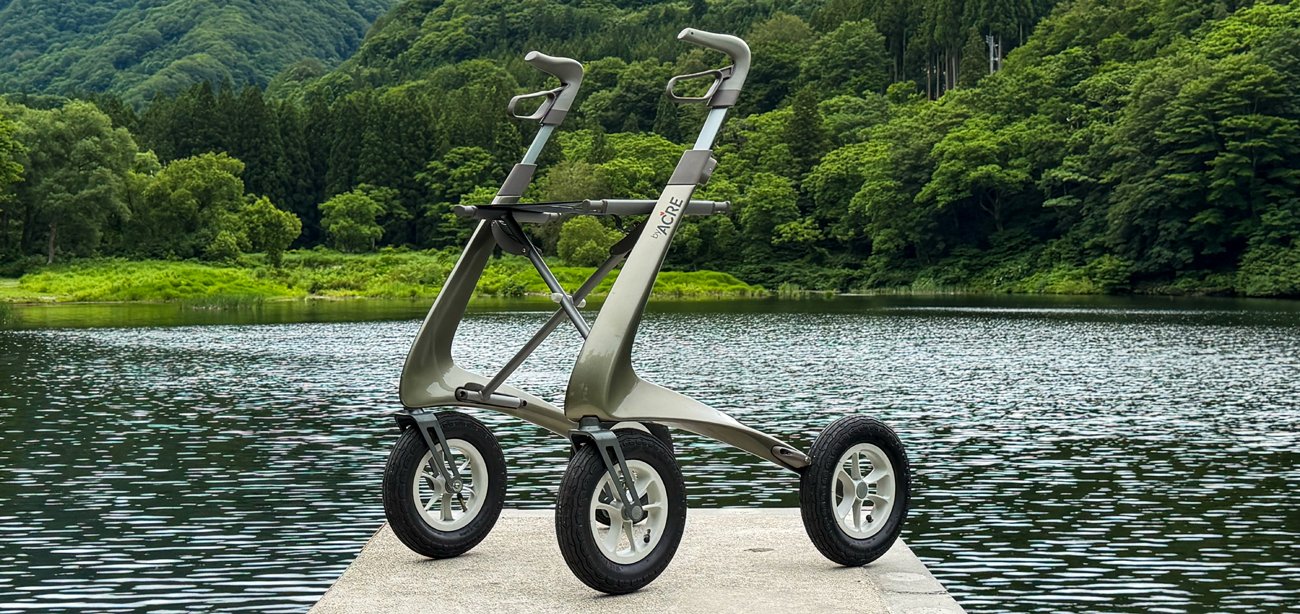
That sparked a simple question: Why couldn’t a rollator be something people actually thought was cool? Why not rethink what a rollator could look and feel like – and, in doing so, help change the perception of what a rollator is?
When we looked more closely at the market, we saw that functionality had traditionally come first, while design, identity and everyday life had received much less attention. The products often reflected a medical way of thinking, rather than the lives, personalities and ambitions of the people using them.
So we went out and asked people directly what they wanted from a mobility aid, and what they liked and disliked about the one they already had. Once people started sharing their experiences, a clear picture emerged: many needed a rollator, but still wanted to travel, spend time with family and friends, and live active, independent lives. There was room for products that reflected that. That became the starting point for byACRE: creating mobility aids that communicate activity rather than age, and designing around the person rather than the limitation. We took age out of the equation, and byACRE grew from there.
Lightweight materials and portability are central to byACRE’s product range. How have these priorities influenced the way you approach product development and respond to the needs of users in different environments?
Lightweight materials and portability are fundamental to how we approach product development at byACRE. We see low weight as a way of giving people greater freedom to remain active and independent. Our use of materials such as carbon fibre, aluminium and EPP allows us to reduce weight while maintaining the strength, stability and durability people depend on.
Portability is equally important because our users don’t necessarily stay in one environment. Our rollators may need to move easily from the home to the city, into a car, onto public transport or while travelling. This has influenced everything from the materials we choose to the way our products are designed, folded and handled.
Ultimately, we aim to develop products that adapt to people’s lives rather than limit them. By combining lightweight construction with functionality and durability, we can meet the needs of users across different environments and support a more active and independent lifestyle.
Beyond hotels, where else are you seeing growing demand for design-led mobility solutions, and what does this tell you about the way attitudes towards mobility are changing?
Beyond hotels, we see growing relevance for design-led mobility solutions across healthcare, travel, outdoor activities and everyday public spaces. People want mobility aids that become part of everyday life — whether they are travelling, meeting friends, going to work or exploring outdoors — rather than products that make them feel defined by reduced mobility.
This reflects a broader shift in attitudes towards mobility. People increasingly expect the products they use to combine functionality with good design, comfort and a sense of identity.
Looking ahead, what developments or shifts in the mobility market do you think will have the biggest impact on how products such as byACRE’s are designed and specified?
We think one of the biggest shifts will be the growing expectation that mobility aids should combine functionality with good design and work naturally with the way people live. And there is no one way to live. Different routines, environments and priorities call for different solutions – moving us away from one-size-fits-all and towards greater choice.
Ultimately, we believe mobility aids will increasingly be seen as thoughtfully designed everyday products rather than medical equipment. That will shape everything from materials and weight to versatility, personalisation and the overall experience of using them.