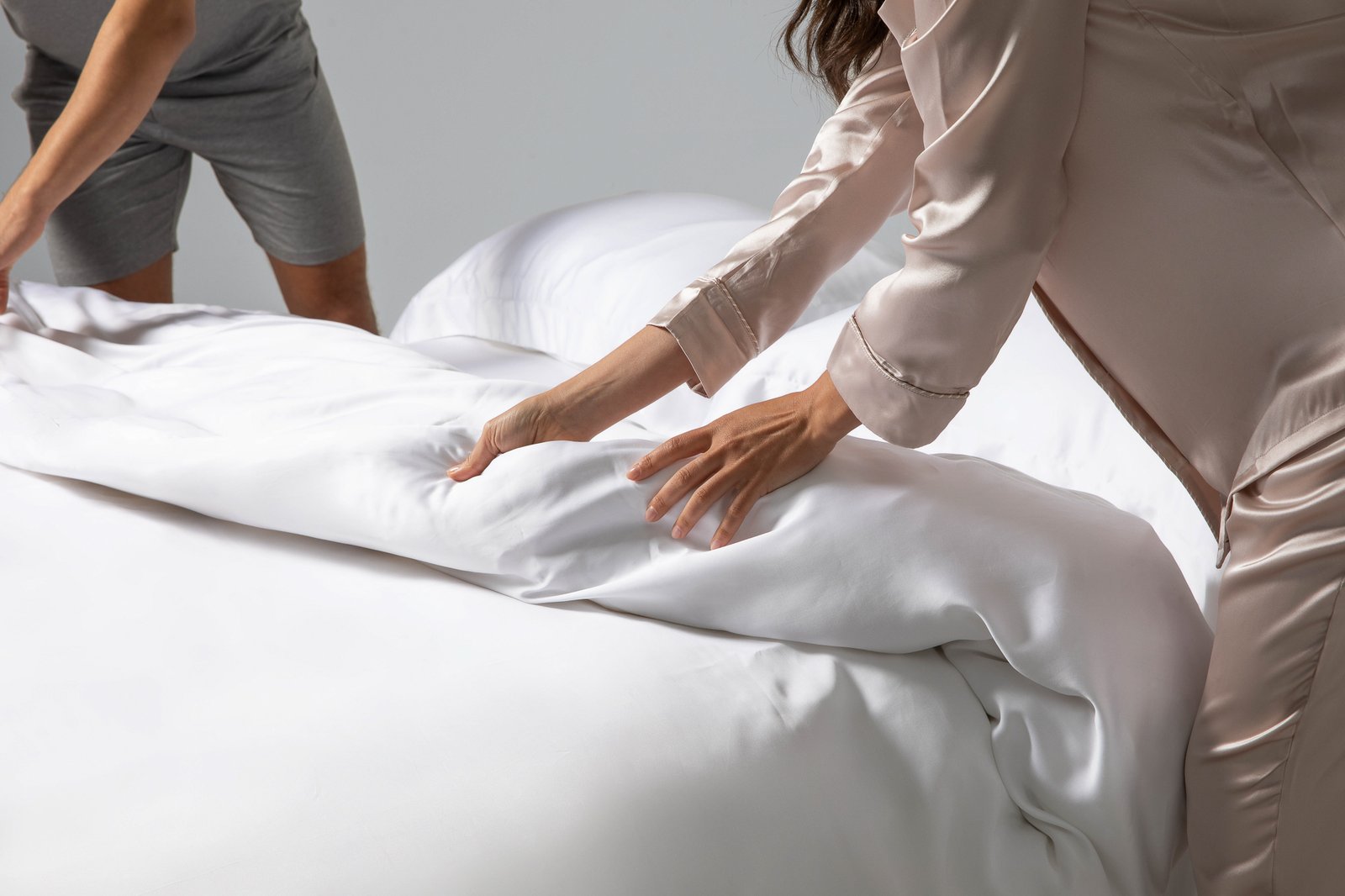
In 2025, the bed is no longer just a place to lie down, it’s the centrepiece of the guest experience. Hotels around the world are rethinking sleep from the mattress up, focusing on wellness, sustainability, and personalisation. What was once simply “a good mattress and crisp linens” is now “a smart, sensory, and sustainable sleep environment.”
Sleep as a Signature Experience
The global hospitality mattress market is valued at around US $7 billion in 2025 and expected to nearly double over the next decade. This surge reflects a shift in mindset: hotels now see quality sleep as a defining element of their brand. The best properties aren’t just offering comfortable beds, they’re curating restorative sleep experiences that guests remember long after checkout.
Luxury chains and boutique independents alike are investing in hybrid and adaptive mattresses, multi option pillow menus, and bedding systems that regulate temperature, motion, and support. In a landscape where every touchpoint matters, the bed has become an expression of care, craftsmanship, and innovation.
Materials, Wellness, and Personalisation
Guests expect their beds to reflect both comfort and conscience. Hypoallergenic, antimicrobial, and temperature responsive fabrics are quickly becoming standard. Natural and recycled fibers, organic cotton, bamboo, linen blends, deliver not only tactile pleasure but also environmental integrity.
Customisation is key. From firmness settings to weighted blanket choices and linen textures, hotels are tailoring beds to the preferences and physiology of each guest. These details communicate a new kind of luxury, one defined by thoughtfulness rather than excess.
Smart Sleep and Integrated Design
Technology has entered the bedroom quietly but meaningfully. Smart beds now adjust firmness through pressure sensors, track sleep quality, and sync with in room controls to modulate lighting and temperature for optimal rest. Headboards incorporate acoustic insulation and touch sensitive reading lights, while integrated scent diffusers complete the multi sensory sleep experience.
Even the design of the bed itself is evolving. Modular frames, under bed storage, and convertible elements allow rooms to flex between leisure and work modes, an essential feature in the era of blended travel and extended stays.
Design as an Emotional Cue
Aesthetically, beds are being treated as sculptural centrepieces rather than functional necessities. Designers are experimenting with tactile headboards, layered bedding, and tonal palettes that evoke calm and warmth. The goal is to make the bed not just comfortable but emotionally resonant, to create that “I slept so well” moment that defines a memorable stay.
Sustainability Meets Longevity
Behind the scenes, operators are balancing indulgence with practicality. Modular mattress systems allow sections to be replaced rather than discarded. Linen programs are being re engineered for reduced water and energy use, with eco certified materials and longer lasting fibers. Sustainability, once a back of house initiative, now lies literally at the heart of the guest experience.
What It Means for Hospitality
For guests, the promise is clear: a good night’s sleep that feels personal, natural, and restorative.
For designers, the bed has become an emotional anchor, a tactile story that connects wellness, aesthetics, and technology.