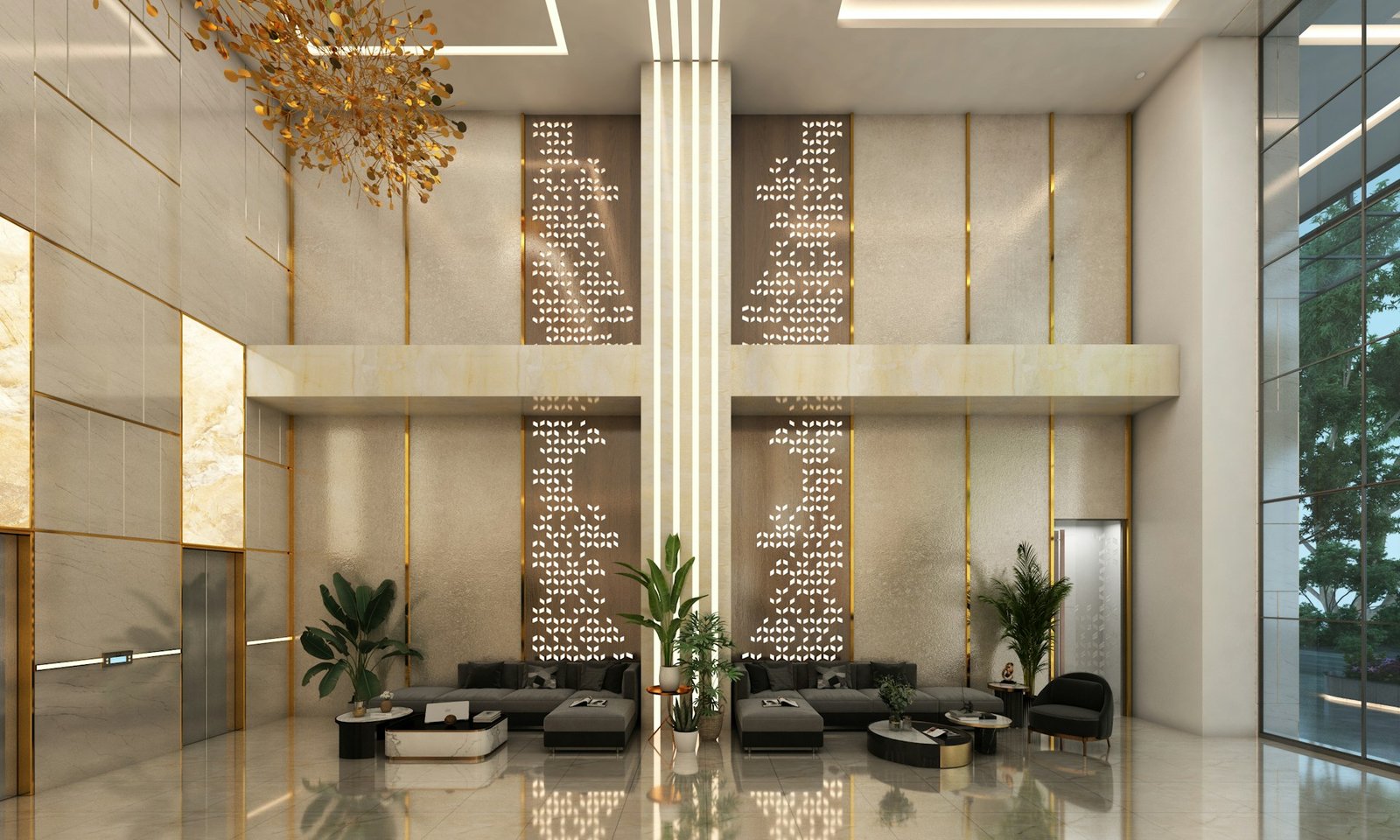
Hotel design has entered a new era. In 2025, guests expect more than stylish interiors and comfortable beds—they seek an experience that feels personal, emotional, and immersive. Designers are responding by moving beyond traditional aesthetics to create environments that stimulate all five senses and forge deeper connections between people and place.
This evolution marks a shift from design as decoration to design as storytelling. Hotels are now curating sensory journeys that engage sound, scent, light, and texture to leave a lasting impression long after check-out.
Beyond the Visual: The Rise of Sensory Hospitality
For decades, visual appeal dominated hotel interiors. Marble lobbies, sculptural lighting, and bespoke furnishings were enough to impress. But today’s travellers are drawn to spaces that feel alive. Designers are experimenting with layered soundscapes, subtle fragrances, and dynamic lighting systems to create emotionally resonant environments.
Properties like The Londoner and Six Senses Ibiza have demonstrated how sensory cues can shape mood and memory. In these hotels, guests move through spaces that evolve throughout the day—lighting adjusts to circadian rhythms, curated playlists shift in tone, and signature scents guide guests from lobby to spa.
This attention to sensory detail is no longer reserved for luxury brands. Boutique properties and urban independents are adopting similar techniques to differentiate themselves in crowded markets.
Technology Meets Emotion
Technology is at the centre of this shift, but not in the traditional sense of convenience. It’s being used to heighten atmosphere rather than dominate it. Smart lighting systems now allow designers to program light temperature and intensity to reflect time of day or weather conditions.
In-room controls are becoming more intuitive, allowing guests to tailor their sensory environment—choosing between “energise” or “unwind” modes that adjust lighting, temperature, and even fragrance.
Architects are also using immersive projection mapping to tell visual stories across walls, ceilings, and façades. These interactive surfaces bring a new dimension to hotel architecture, blurring the line between digital and physical experience.
Materiality and Touch
Tactile materials are equally important. In the age of touchscreens, designers are reintroducing the human element through texture and craftsmanship. Warm timbers, hand-woven textiles, and stone finishes provide contrast to the smooth minimalism of modern interiors.
Designers are also paying attention to the micro-details that influence how a space feels to the touch—door handles, linen weights, and wall finishes that communicate quiet luxury without words.
Sustainability plays a significant role here too. Reclaimed, natural, and locally sourced materials are not only environmentally responsible but also add sensory depth through imperfections and authenticity.
A New Role for the Designer
For architects and interior designers, this movement demands a multidisciplinary mindset. Creating an immersive hotel requires collaboration between lighting designers, acoustic engineers, scent specialists, and digital artists.
The brief is no longer about specifying furniture or finishes—it’s about orchestrating emotion. Designers are being asked to think like composers, choreographing how guests will feel as they move through a space.
Studios leading this change often start each project with an emotional map rather than a floor plan, identifying the desired mood in each zone before selecting materials or technologies.
The Future of Immersive Hospitality
Looking ahead, immersive design will continue to define hospitality’s most innovative spaces. As wellness and technology merge, hotels will evolve into multi-sensory sanctuaries where guests can disconnect from digital overload and reconnect with themselves.
Whether it’s a desert resort tuned to the natural rhythms of the landscape or a city retreat that transforms its ambience through light and sound, immersive design represents a more human approach to luxury.
For designers and architects, this is both a creative challenge and an opportunity to shape the next chapter of hospitality—one that prioritises feeling over form, and memory over moment.